

Coughing is something most of us experience several times a year. It often shows up alongside the flu, a cold, allergies, or throat irritation. In many cases, a cough fades within days, yet sometimes it lingers far longer than expected, interrupting sleep, draining your energy, and affecting your daily routine.
If you have ever wondered why your cough refuses to go away, your body may be trying to tell you something important:
What Exactly Is a Cough?
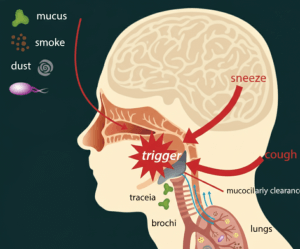
A cough is not an illness on its own. It is a protective reflex designed to keep your airways clear. When irritants such as mucus, dust, smoke, or microbes enter the respiratory tract, your nervous system triggers a forceful release of air to remove them.
Think of coughing as your body’s internal cleaning system.
However, when coughing becomes persistent, it may signal that your body is under stress or still recovering from an underlying condition.
Common Causes of Persistent Cough
Understanding the root cause is the first step toward recovery. Some of the most common triggers include:
🗣️ Post viral cough
After a respiratory infection, your airway can remain inflamed even when other symptoms have disappeared. This sensitivity may last for weeks.
🦠 Allergies
Environmental triggers such as dust mites, pet dander, haze, or pollen can irritate the throat and lungs, especially if you are frequently in air-conditioned spaces.
❤️🩹 Acid reflux
Stomach acid that travels upward can irritate the throat without you even noticing classic heartburn symptoms.
🫁 Asthma or airway sensitivity
Some individuals develop coughing as the primary symptom of airway tightening.
🌫️ Poor indoor air quality
Dry air, mold, or insufficient ventilation can contribute to ongoing throat irritation.
The Often-Overlooked Connection: Your Nervous System
Many people do not realize that breathing is closely coordinated by the nervous system. Clear communication between the brain and body supports efficient lung function, muscle coordination, and healthy breathing patterns.
When the spine is restricted or posture is compromised, something increasingly common with long hours at desks or frequent device use, the muscles involved in breathing may not function optimally. Over time, shallow breathing patterns can develop, making recovery feel slower and leaving the body more easily fatigued.
Spinal alignment plays an important role in supporting how the body communicates and adapts to physical stress.
Supporting your posture, staying mobile, and maintaining overall body balance can contribute to smoother breathing mechanics and better resilience during recovery.
Simple Ways to Support Your Recovery
If your cough is not linked to a serious condition, small daily habits can make a meaningful difference.
💧 Stay well hydrated
Warm fluids help thin mucus and soothe irritated airways.
🛌🏻 Prioritize quality sleep
Your immune system performs much of its repair work while you rest.
💦 Add moisture to your environment
A humidifier can reduce throat dryness, especially in air-conditioned rooms.
🥗 Support your gut health
A large portion of your immune system is connected to the gut. Nourishing foods such as vegetables, fruits, yogurt, and fibre rich options help your body defend itself more effectively.
🧘🏻♂️ Be mindful of posture
Sitting upright allows the lungs to expand more fully. Gentle stretches that open the chest can also encourage deeper breathing.
🚫 Avoid throat irritants
Smoke, strong fragrances, and excessive caffeine may worsen dryness.
Recovery is rarely about one single action. It is usually the result of consistent, supportive habits.
Listening to Your Body

It is easy to dismiss a cough as “just one of those things,” especially when life gets busy. However, symptoms are often your body’s way of signaling that it needs attention and care.
Instead of pushing through fatigue, consider whether your body might benefit from more rest, better hydration, improved nutrition, or a pause in your schedule.
Your body communicates with you every day, sometimes in whispers, sometimes more loudly. Learning to listen is one of the most powerful things you can do for your long-term wellbeing.
When you consistently support your body with the care it needs, recovery tends to feel smoother, energy returns more naturally, and breathing becomes comfortable again.